 By
Lara | Community Champion | Administrator |
By
Lara | Community Champion | Administrator |
This conversation is part of Project LARA — Let Us All Respect AI by knowing where automation should stop.
Automation vs Human Judgment
Just because something can be automated doesn’t mean it should be.
Friction isn’t always inefficiency.
Sometimes, it’s responsibility.
Why Removing Friction Can Be Dangerous
Some decisions carry:
-
Emotional weight
-
Ethical consequence
-
Long-term impact on people’s lives
When automation removes friction entirely, accountability often disappears with it.
Where Full Automation Fails
Common high-risk areas:
-
Hiring and firing
-
Performance evaluations
-
Medical and legal decisions
-
Crisis response
-
Creative and cultural judgment
These decisions need context, empathy, and moral responsibility — not just logic.
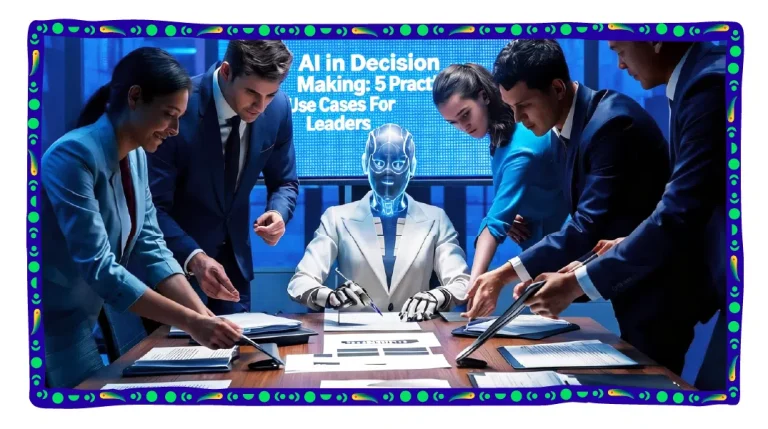
Human-in-the-Loop Is Not a Checkbox
If humans:
-
Blindly approve outputs
-
Can’t question decisions
-
Lack authority to override systems
Then automation is still in control — quietly.
Respecting AI means humans remain accountable, not symbolic.
Accountability and AI Governance
AI doesn’t own outcomes.
Organizations do.
Respecting AI requires:
-
Clear ownership
-
Defined boundaries
-
Governance that evolves with use
Defining Boundaries for Responsible Automation
There is no universal line.
But choosing not to define boundaries is also a decision — and usually the most dangerous one.
Responsible AI starts with knowing where to stop.
Community Discussion
-
Which decisions must always involve a human?
-
Where have you seen automation go too far?
-
Who should define these boundaries?
Join the discussion.
Respecting AI doesn’t limit innovation. It protects humanity within it.